
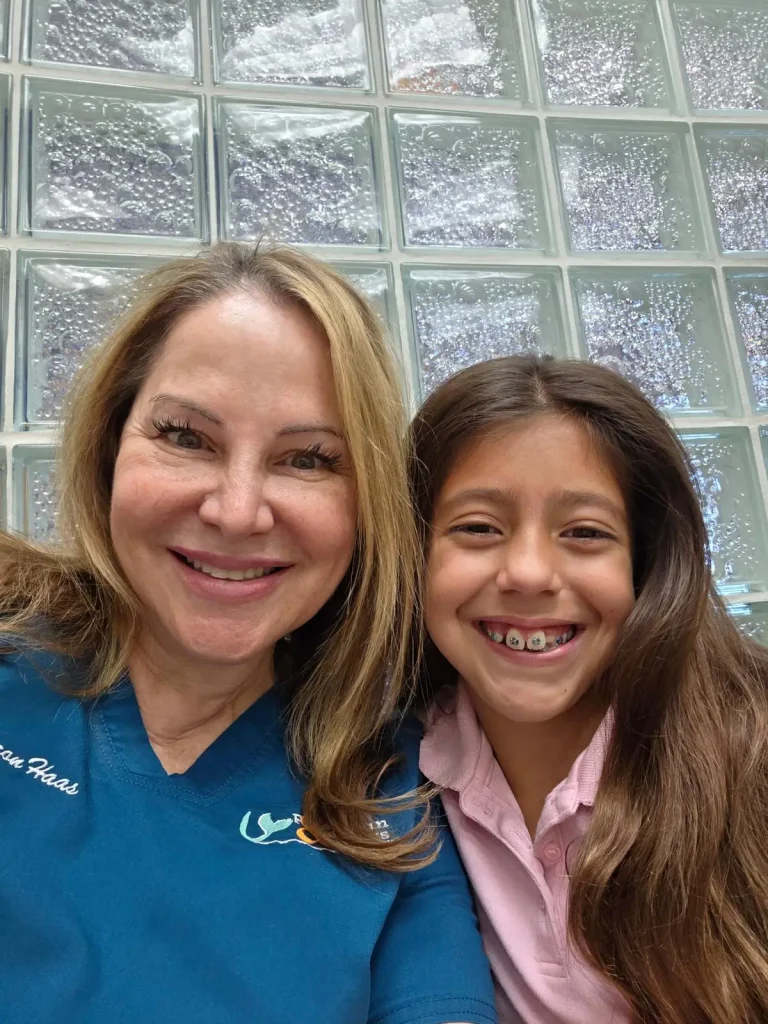
For many parents and caregivers, the idea of braces for their child can bring up a mix of questions, concerns, and uncertainty. You may be wondering whether your child truly needs orthodontic treatment, when the right time to start might be, or how braces could affect their comfort, confidence, and daily routine. These thoughts are completely natural. Orthodontic care is an important decision, and parents want to feel assured that they are doing what is best for their child’s health and development. Understanding how braces work for kids and why early evaluation matters can help ease anxiety and provide clarity.
Early orthodontic evaluation plays a critical role in supporting healthy dental and facial development. As children grow, their jaws, teeth, and bite relationships change rapidly. Some orthodontic concerns are easier to correct when a child is still growing, while others benefit from being monitored until the right moment. Braces can help guide teeth into proper alignment, support balanced jaw growth, and reduce the likelihood of more complex issues later in adolescence or adulthood. When treatment is timed appropriately, it can be more efficient, more comfortable, and more effective in the long term.
Parents often worry that braces will be uncomfortable or overwhelming for children, but modern orthodontics has made tremendous advances in both technology and approach. Today’s braces are designed to be smaller, smoother, and more child-friendly than ever before. Orthodontists focus not only on straightening teeth but also on creating a positive, supportive experience for young patients. With clear explanations, gentle techniques, and encouragement, children can adapt quickly to braces and even take pride in caring for their smiles.
At Freedman & Haas Orthodontics, we are dedicated to providing gentle, personalized orthodontic care for children and families throughout Florida. We understand that every child is unique, and we take the time to listen to parents, answer questions, and create treatment plans tailored to each child’s needs. Our goal is to support healthy development while helping children feel confident, comfortable, and supported throughout their orthodontic journey. By partnering with families, we strive to make braces a positive experience that lays the foundation for a lifetime of healthy smiles.
What Age Do Kids Get Braces
One of the most common questions parents ask is what age children typically get braces. While there is no single answer that applies to every child, orthodontic treatment most often begins between the ages of nine and fourteen. This period is ideal for many children because it coincides with a mix of permanent teeth and ongoing jaw growth. During this time, orthodontists can take advantage of natural growth patterns to guide teeth into better alignment and address bite concerns more efficiently.
Early orthodontic evaluations are often recommended around the age of seven, even if braces are not immediately needed. At this age, an orthodontist can assess how a child’s teeth and jaws are developing and identify any potential issues early on. Some children may benefit from early intervention, while others may simply need monitoring until the right time for treatment. An early evaluation does not always mean early braces, but it does provide valuable information that helps guide future decisions.
Growth patterns play a significant role in determining when a child should start orthodontic treatment. Every child grows at a different pace, and the timing of tooth eruption and jaw development varies widely. Some children may be ready for braces earlier because their permanent teeth have come in and their bite issues are more pronounced. Others may need to wait until additional growth occurs to achieve the best results. Orthodontists carefully consider these factors to determine the most appropriate timing for each child.
It is important for parents to know that orthodontic treatment is never based on age alone. Professional assessment is key to deciding when braces are truly needed. At Freedman & Haas Orthodontics, we evaluate each child individually, taking into account their dental development, facial growth, and overall oral health. By customizing treatment timing, we help ensure that braces are placed when they will be most effective and beneficial, giving children the best possible outcomes with the least amount of stress.
Types Of Braces For Kids Teeth
Today’s orthodontic options for children are more advanced and varied than ever before. Parents may be surprised to learn that braces are no longer one-size-fits-all, and there are several types designed to meet different needs and preferences. Modern braces are engineered to be effective while also prioritizing comfort and durability, which is especially important for younger patients who are still adjusting to orthodontic care.
Orthodontists determine the best type of braces for a child by carefully evaluating their bite, tooth development, and lifestyle. Some children need strong, highly effective appliances to correct complex alignment or bite issues, while others may benefit from options that are more discreet or aesthetically pleasing. The goal is always to choose a treatment that will deliver safe, predictable results while fitting comfortably into a child’s daily routine.
Parents often worry about how braces will affect their child’s activities, including school, sports, and social interactions. Modern braces are designed to accommodate active lifestyles and busy schedules. With proper care and guidance, children can continue participating in their favorite activities while undergoing orthodontic treatment. Orthodontists also provide instructions on maintaining oral hygiene and managing minor adjustments so children and parents feel confident throughout the process.
At Freedman & Haas Orthodontics, we take time to explain each option in detail so parents understand how different types of braces work and why one may be recommended over another. Our approach is rooted in education and reassurance, ensuring families feel informed and comfortable with their decisions. By tailoring treatment to each child’s needs, we help create a positive orthodontic experience that supports both oral health and emotional well-being.
Metal Braces
Traditional metal braces remain one of the most effective and commonly used orthodontic options for children. These braces use high-quality stainless-steel brackets and wires to gradually move teeth into proper alignment. Metal braces are known for their strength and reliability, making them particularly well suited for correcting a wide range of orthodontic issues, including crowding, spacing, and bite irregularities.
Many parents may recall bulky or uncomfortable metal braces from their own childhood, but today’s versions are far more advanced. Modern metal braces are smaller, smoother, and more comfortable than those used in the past. Advances in orthodontic materials and techniques allow for gentler, more controlled tooth movement, which can make treatment more comfortable for children. Kids often adapt quickly and find that braces become a normal part of their daily routine.
Metal braces are especially beneficial for children because they are durable and effective even in cases that require significant correction. Younger patients may not always be as careful with removable appliances, so fixed braces provide consistent treatment without relying on daily compliance. This reliability helps ensure that treatment progresses as planned, which can reduce overall treatment time and lead to more predictable outcomes.
At Freedman & Haas Orthodontics, we also understand that children want to express themselves. Many kids enjoy choosing colorful elastic ties for their braces, which can make the experience more fun and engaging. By combining proven effectiveness with a child-friendly approach, metal braces continue to be a trusted choice for helping young patients achieve healthy, confident smiles.
Clear Braces For Kids
Clear braces, often made from ceramic materials, offer an alternative for children who prefer a less noticeable orthodontic option. These braces function in a similar way to metal braces but use tooth-colored or translucent brackets that blend more naturally with the teeth. For children who are self-conscious about their appearance, clear braces can provide an added sense of confidence during treatment.
While clear braces offer aesthetic advantages, they also require careful consideration when used for children. Ceramic brackets can be slightly more delicate than metal ones, which means they may not be ideal for every child, especially those who are very active or prone to rough play. Orthodontists evaluate whether a child’s lifestyle and orthodontic needs make clear braces a suitable choice, ensuring that safety and effectiveness are never compromised.
Maintenance is another factor parents often consider with clear braces. Because the brackets are lighter in color, they may require extra attention to oral hygiene to prevent staining. With proper brushing, flossing, and regular checkups, most children can maintain clear braces successfully. Orthodontists provide guidance to help families understand how to care for these appliances and keep them looking their best throughout treatment.
At Freedman & Haas Orthodontics, we discuss the pros and considerations of clear braces openly with parents and children. Our goal is to recommend an option that aligns with the child’s orthodontic needs while respecting their preferences. By balancing aesthetics with practicality, we help families choose a treatment approach that supports both effective results and a positive experience.
Invisalign Vs Braces For Kids
In recent years, many parents have asked whether Invisalign is an option for children instead of traditional braces. Invisalign uses clear, removable aligners to straighten teeth, and it can be an excellent choice for certain younger patients. However, it requires a level of responsibility and consistency that not all children are ready for. Understanding the differences between Invisalign and braces helps parents make informed decisions about what is best for their child.
For kids who are mature enough to wear aligners as directed, Invisalign can offer advantages such as removability and ease of cleaning. Aligners can be taken out for meals, brushing, and special activities, which can simplify oral hygiene and reduce dietary restrictions. This flexibility can be appealing for families and children who want a more discreet orthodontic solution.
Traditional braces, on the other hand, remain the most reliable option for many children, particularly those with more complex orthodontic needs. Because braces are fixed in place, they do not rely on daily compliance to be effective. This makes them especially well suited for younger children who may forget to wear aligners consistently. Braces also allow orthodontists to make precise adjustments that are sometimes necessary for certain bite corrections.
At Freedman & Haas Orthodontics, we carefully evaluate each child to determine whether Invisalign or braces will provide the safest and most effective treatment. We consider factors such as the child’s orthodontic needs, maturity level, and lifestyle. Our recommendations are always guided by what will deliver the best long-term results while supporting the child’s comfort and confidence.
How Much Do Braces Cost For Kids
The cost of braces for kids in Florida can vary depending on several important factors. Treatment type, duration, and complexity all play a role in determining overall cost. Some children require shorter, simpler treatments, while others need more comprehensive care to address multiple orthodontic concerns. For instance, traditional metal braces can range from $3,000 to $7,000 on average, but these prices are merely referential as there are several factors that weigh in the final price. Understanding these variables helps parents feel more prepared and less overwhelmed when discussing financial aspects of treatment.
Early orthodontic treatment can often be a valuable investment because it may reduce the need for more extensive treatment later in life. Addressing issues while a child is still growing can simplify corrections and improve long-term outcomes. While the initial cost may feel significant, many parents find reassurance in knowing that early care can support their child’s oral health for years to come.
Orthodontic practices often offer flexible financial options to help families manage the cost of braces. Payment plans, financing options, and assistance with insurance benefits can make treatment more accessible. At Freedman & Haas Orthodontics, we believe in transparency and empathy when discussing costs. We take time to explain what is included in treatment and help families explore options that fit their budget.
Parents should also consider the value of comprehensive orthodontic care when evaluating cost. Treatment includes not only the braces themselves but also professional monitoring, adjustments, and follow-up care. This ongoing oversight is essential for achieving safe, effective results. By focusing on long-term oral health and overall well-being, orthodontic treatment represents an investment in a child’s future confidence and health.
Conclusion
Braces for kids play an important role in supporting healthy dental development and creating confident smiles that last a lifetime. Early orthodontic care can guide teeth and jaws into proper alignment, reduce the risk of future complications, and help children feel more comfortable and confident as they grow. Understanding when to start treatment, what options are available, and how braces can benefit your child allows parents to approach orthodontic care with clarity and confidence.
At Freedman & Haas Orthodontics, we are committed to providing expert, compassionate orthodontic care for children and their families throughout Florida. Our team takes a personalized approach, ensuring that each child’s treatment plan reflects their unique needs and developmental stage. We prioritize gentle care, clear communication, and a supportive environment that helps children feel at ease during every visit.
We believe that orthodontic treatment should be a positive experience for both children and parents. By focusing on education, reassurance, and individualized care, we help families feel empowered throughout the orthodontic journey. Whether your child needs early monitoring, traditional braces, or another orthodontic solution, our goal is to support their health and confidence every step of the way.
If you are considering braces for your child or have questions about orthodontic care, we encourage you to schedule a consultation with Freedman & Haas Orthodontics. Our team is here to listen, provide guidance, and help you make informed decisions about your child’s smile. Together, we can create a foundation for healthy development and a future filled with confident, happy smiles.