
Some people love the gap between their front teeth and would never change it. Others have spent years hiding it in photos. Whichever camp you fall into, it helps to understand what that space actually is, why it is there, and what your options are if you decide you want it closed. There is more going on behind a simple gap than most people realize.
The clinical name for a gap between teeth is a diastema, and the most common one sits right between the two upper front teeth. What surprises many patients is that the right way to close a gap depends entirely on what caused it in the first place. Close it the wrong way, or ignore what created it, and it can drift right back open. Here is the full picture, from causes to lasting solutions, explained the way I would in the office.
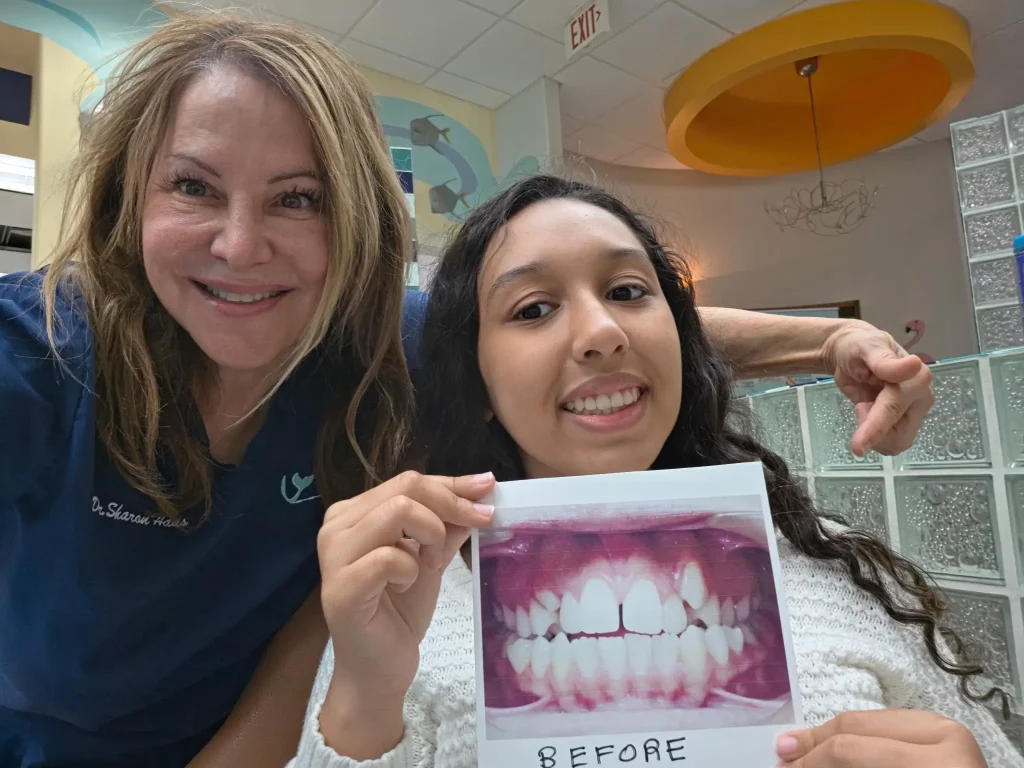
The Short Answer: What a Diastema Is
A diastema is simply a gap or space between two teeth. Most often it appears between the two upper central incisors, the front teeth, though gaps can form anywhere in the mouth. When several spaces show up across multiple teeth, that is called a generalized diastema.
Here is something reassuring that most people never hear. In children, gaps are not just common, they are normal and usually temporary. Research shows a midline gap appears in roughly half of children aged 6 to 8, and the frequency drops sharply with age to around 5 percent in adults. Small gaps under 2 millimeters at age 9 typically close on their own as the lateral incisors and canines erupt and push the front teeth together. So a gap in a young child is very often nothing to worry about at all. In adults, though, a diastema rarely closes by itself, which is when people start asking how to address it.
What Causes a Gap Between the Teeth
A diastema is a symptom, not a single disease, and it can come from several different sources. Often more than one factor is at play, which is exactly why an exam matters before choosing a treatment. Let me walk through the main causes, because the cause determines the cure.
Tooth-to-Jaw Size Mismatch
The most common cause is a simple size discrepancy. When your teeth are proportionally too small for your jawbone, there is extra room, and that room shows up as spaces between the teeth. This is the same underlying principle, running in the opposite direction, that produces crowded teeth when teeth are too large for the jaw. Sometimes the issue is a specific tooth, most often a lateral incisor, that is missing or naturally undersized, which leaves its neighbors without support and lets gaps open up.
An Oversized Labial Frenum
This is the cause worth understanding in detail, because it changes the treatment plan and is widely misunderstood. The labial frenum is the small band of tissue that connects the inside of your upper lip to your gums, just above your two front teeth. You can feel it with your tongue right now.
In some people, that frenum is unusually large or thick, and it attaches low, extending down between the two front teeth. When it does, it inserts into a notch in the bone and creates a band of dense fibrous tissue right where the teeth should meet, physically holding them apart. The orthodontic literature identifies the superior labial frenum as one of the main causes of a persistent midline gap. This matters enormously, because if the frenum is the culprit, simply pushing the teeth together will not hold. The tissue has to be addressed too, which I will come back to.
Habits, Missing Teeth, and Gum Disease
Several other factors round out the list. Prolonged thumb-sucking and tongue thrusting, where the tongue habitually pushes against the front teeth, apply steady forward pressure that opens gaps over time. Missing or undersized teeth leave spaces that neighboring teeth drift into. Gum disease is a more serious cause, because as it damages the bone and tissue supporting the teeth, those teeth can loosen and migrate, creating new gaps in adulthood. Even less common sources like extra teeth or tongue piercings can play a role. Because the causes are so varied, pinning down yours is the essential first step.
Do You Have to Close a Gap? Health vs. Cosmetic
Not every gap needs treatment, and I want to be honest about that rather than push you toward a procedure. Whether you should close a diastema comes down to two separate questions, one about health and one about how you feel about it.
On the health side, some gaps are perfectly stable and harmless, and if the space is small and not causing problems, you can absolutely leave it alone. Many people wear their gap proudly as part of their identity. Other gaps do warrant attention, particularly when they stem from gum disease that needs treating regardless, or when the spacing affects function. A notable gap can even affect speech, especially sibilant sounds like s and z, since air passes through it differently. On the cosmetic side, the decision is entirely yours. If your gap is healthy and you simply prefer to close it, that is a valid choice, and if you love it, keeping it is equally valid. The key is knowing which situation you are in.
How Orthodontics Closes a Diastema
When you do decide to close a gap, there are several routes, and the best one depends on the cause and the size of the space. Here are the main options side by side.
| Option | How it works | Best for |
| Braces or clear aligners | Apply gentle, controlled force to move the teeth together and actually close the space | Moderate to large gaps, or multiple gaps |
| Dental bonding | Tooth-colored resin is added and shaped to fill a small gap in one visit | Small, cosmetic gaps, fast results |
| Veneers | Thin porcelain shells bonded over the front teeth to mask the gap | Cosmetic cases wanting a full front-tooth makeover |
| Frenectomy | Minor procedure to release an oversized frenum, done alongside orthodontics | Gaps caused specifically by the labial frenum |
For most true gap closure, especially moderate or multiple gaps, orthodontics is the gold standard because it actually moves the teeth into a new, correct position rather than just masking the space. Both braces and clear aligners like Invisalign work by applying gentle, controlled force to bring the teeth together over time. Bonding and veneers are cosmetic shortcuts that fill or cover a gap quickly, which suits small spaces and patients prioritizing speed, but they do not correct the underlying tooth position.
If the gap is caused by that oversized labial frenum we discussed, the plan changes. A minor procedure called a frenectomy releases the tight tissue so the teeth can finally come together. Importantly, a frenectomy is rarely a standalone fix. It is almost always planned alongside orthodontics, because the tissue release makes closure possible while the braces or aligners do the actual moving.
Will the Gap Come Back? The Part Most People Miss
This is the most important section in the entire article, and it is the one most guides skip. Closing a gap is only half the job. Keeping it closed is the other half, and gaps are notoriously prone to reopening if this step is ignored.
The reason comes down to force. Your tongue is a remarkably strong muscle, and if a tongue-thrusting habit helped create the gap, it can easily push the teeth back apart, sometimes with more force than a retainer alone can resist. This is why wearing a retainer after treatment is absolutely essential for a closed diastema, arguably more so than for many other orthodontic corrections. In cases driven by a strong tongue habit, an orthodontist may even recommend working with a myofunctional therapist to retrain the tongue, because no retainer can outmuscle a persistent habit forever.
There is a similar lesson with the frenum. Even after a frenectomy, the gap can relapse without proper orthodontic maintenance and retainer wear. In other words, addressing the tissue is not a guarantee on its own. The takeaway is simple and worth taking seriously. However you close your gap, commit to the retention plan, because that is what makes the result last.
Close Your Gap for Good at Freedman & Haas
A gap between your teeth is common, usually harmless, and entirely your choice to keep or close. What matters most, if you do want it gone, is understanding the cause behind it, because that determines whether you need orthodontics, a frenectomy, a cosmetic fix, or a combination, and what it will take to keep the space closed for good. A gap closed thoughtfully stays closed. A gap closed carelessly tends to return.
At Freedman & Haas Orthodontics, our board-certified orthodontists pinpoint exactly what is causing your diastema and build a plan that closes it and keeps it closed, retention included. We have guided more than 30,000 patients across West Palm Beach and Wellington to healthier, more confident smiles. If you are ready to close your gap, or just want to understand it, schedule a consultation and we will give you a clear, honest assessment.
Frequently Asked Questions
What causes a gap between the front teeth?
The most common cause is a mismatch between tooth size and jaw size, leaving extra room. Other causes include an oversized labial frenum holding the teeth apart, missing or undersized teeth, habits like thumb-sucking and tongue thrusting, and gum disease. Often more than one factor is involved, so a dental exam is the best way to identify yours.
Do gaps in teeth close on their own?
In children, often yes. A midline gap appears in about half of children aged 6 to 8 and usually closes naturally as the lateral incisors and canines erupt, especially gaps under 2 millimeters. In adults, spontaneous closure is rare, so a persistent adult gap typically needs treatment if you want it closed.
What is the best way to close a gap in my teeth?
It depends on the cause and size. Braces or clear aligners are the gold standard for truly closing moderate to large gaps, since they move the teeth into a corrected position. Bonding or veneers can quickly mask small cosmetic gaps. If an oversized frenum is the cause, a frenectomy is done alongside orthodontics. An orthodontist can determine the right approach for you.
Will my gap come back after treatment?
It can, if retention is neglected. Gaps are prone to reopening, partly because the tongue is strong enough to push teeth back apart, especially if a tongue-thrusting habit contributed. Wearing your retainer as directed is essential, and in habit-driven cases, myofunctional therapy to retrain the tongue may be recommended to keep the gap closed for good.
Does a gap in my teeth need to be fixed?
Not always. Small, stable gaps that are not causing health problems can be left alone, and many people happily keep their gap. Treatment is worth considering when the gap stems from gum disease, affects function or speech, or when you simply prefer to close it for cosmetic reasons. The choice is yours once you understand the cause.